(+44) 1386 329 520
  info@geeknson.com


What Makes a Game an RPG – How to Recognize a Role-Playing Game
So you’ve been deep in a conversation with your gaming friends and someone drops the sacred question: “But is it really an RPG?” Suddenly, chaos erupts. Everyone has a different answer. The guy who grew up on Baldur’s Gate says one thing, the Final Fantasy fanboy says another, and the person who only plays tabletop RPGs on Fridays looks at everyone with visible disdain. Sound familiar? At Geeknson, we’ve had this exact argument over a game of Dungeons and Dragons mid-session, dice still rolling.
RPGs are one of the most beloved game genres ever created – but they’re also one of the most debated. What actually defines an RPG? What makes a game an RPG and not just an action game with numbers? Let’s break it all down.
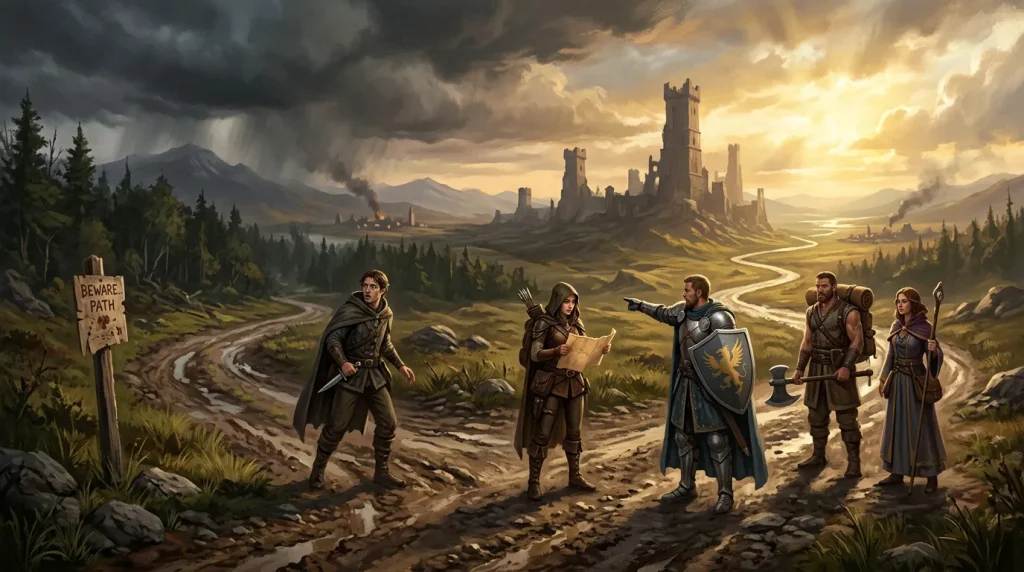
RPG Stands for Role-Playing Game – But What Does That Actually Mean?
Let’s start with the basics. RPG stands for role-playing game. At its core, the definition of an RPG is surprisingly simple: it’s a game where the player takes on the role of a character and makes decisions that shape the experience. Whether we’re talking about a tabletop role-playing game like Dungeons and Dragons or a massive computer RPG like The Witcher 3, the central idea is the same – you step into someone else’s shoes and live through their story.
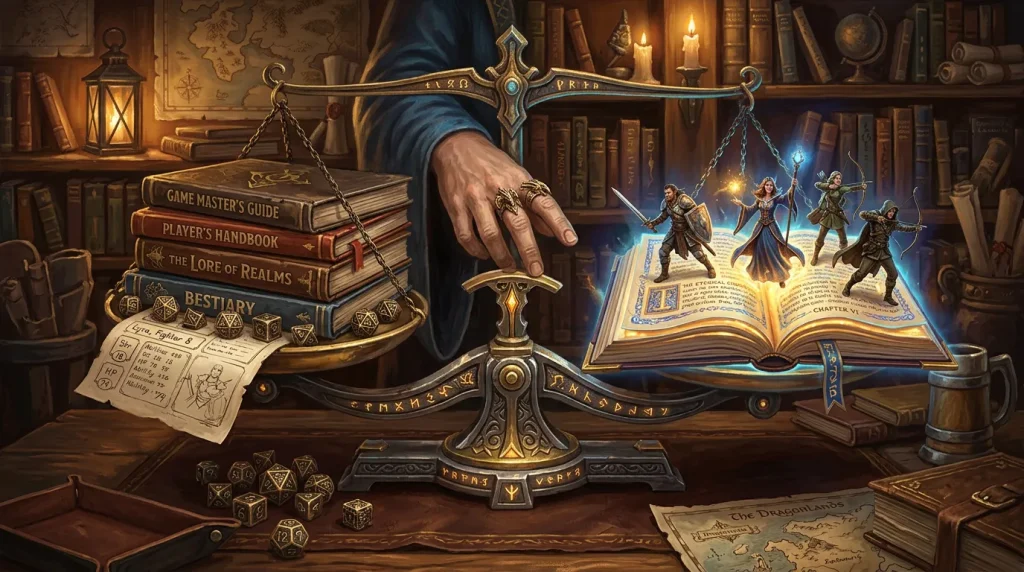
The term comes directly from tabletop RPGs, where a game master would guide players through an imagined world, letting them make choices freely. That spirit translated into video game RPGs over the decades, spawning entire genres and subgenres. Today, RPGs are everywhere – and ironically, that ubiquity is part of why it’s so hard to define what an RPG truly is.
The Core RPG Elements That Define the Genre
Okay so what actually defines an RPG? Not every game with a story is an RPG. Not every game with stats is an RPG. There are a handful of core RPG elements that most game designers and fans agree on:
1. Character Progression
Almost every RPG features some form of character growth – experience points, level-ups, skill trees, stats that improve throughout the game. This is one of the most recognizable RPG mechanics and one that many games borrow heavily from. Your character gets stronger, smarter, or more skilled as you play. This sense of progression is deeply tied to the feeling of “becoming” a role.
2. Player Choice and Agency
A true RPG lets you make decisions that matter. Not just “which weapon to buy” but meaningful narrative choices that alter the course of the game. When you can make decisions that affect the story, the world, and the non-player characters in the game – that’s an RPG doing its thing. Role-playing games require player agency, full stop.
3. A Richly Built Game World
RPGs love lore. They thrive in deep game worlds full of history, factions, languages, and secrets. Whether it’s the fantasy settings of classic western RPGs or the elaborate sci-fi universes of modern computer and console games, the game world is a character in itself. You’re not just visiting it – you’re inhabiting it.
4. A Narrative with Meaningful Stakes
Role-playing games are story-first. The narrative isn’t just window dressing – it’s the engine. Great RPGs make you care about what happens throughout the game. You’re not just completing objectives; you’re living a story.
A Brief History of Computer Role-Playing Games
The history of computer role-playing games goes all the way back to the 1970s and 80s when early games like the Ultima games and Wizardry brought the tabletop RPG experience to the screen. These early games were far more stat-heavy and text-driven than what we’re used to today, but the DNA was all there: character building, exploration, turn-based combat, and story.
By the 90s, computer role-playing games had evolved into rich, immersive experiences. Games like Baldur’s Gate and Planescape: Torment set a standard for narrative depth that many modern RPGs still aim for. The genre exploded with console RPGs too – Japanese role-playing games like Final Fantasy became cultural phenomena, while western RPGs carved their own identity with more open-ended systems.
We once spent an entire board game night arguing about whether the original Fallout or Baldur’s Gate deserves the title of “best western RPG ever.” No resolution was reached. Friendships were tested. Dice were rolled out of spite.
Types of RPGs: From Tabletop to Massively Multiplayer
The RPG genre isn’t monolithic. There are many game categories under the RPG umbrella, and understanding them helps define what an RPG looks like across different contexts:
Tabletop RPGs
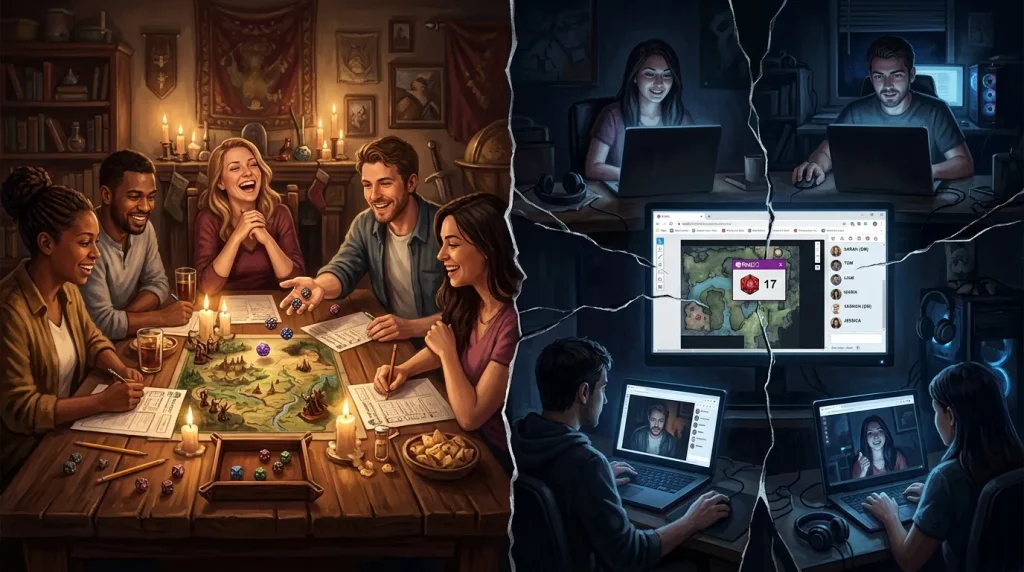
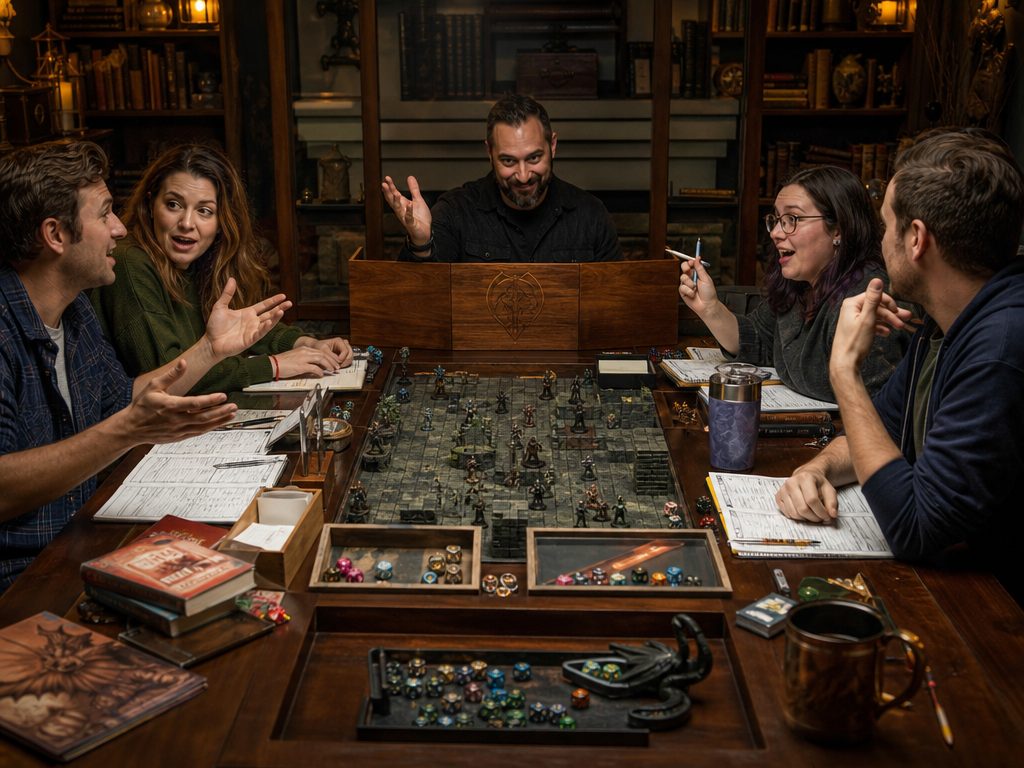
The OGs. Tabletop role-playing games like D&D, Pathfinder, and Call of Cthulhu are where the genre was born. A game master acts as narrator and referee while players take on the role of characters in the story. Everything is driven by imagination, dice rolls, and the role of a gamemaster keeping the narrative alive. No screens required – just a tabletop game, pencils, and a probably-too-detailed backstory for your dwarf paladin.
Computer RPGs (CRPGs)
Computer role-playing games brought the tabletop RPG experience to screens. These are single-player games (or small-scale multiplayer games) where you control a party or a solo protagonist through a rich narrative. Games like Divinity: Original Sin 2 and Baldur’s Gate 3 are modern highlights of the computer role playing game.
Action RPGs
The action RPG blends real-time action game mechanics with RPG elements. Think Dark Souls, Elden Ring, or Diablo. You’re still leveling up, building a character, and exploring a game world – but combat is immediate and skill-based rather than turn-based. The action role-playing game has become one of the most popular video game genres of the last decade.
JRPGs (Japanese Role-Playing Games)
The Japanese RPG has its own distinct flavor. The Japanese role-playing game typically features linear storytelling, anime-inspired aesthetics, turn-based RPG battle systems, and heavily scripted narratives. Final Fantasy, Persona, and Dragon Quest are classics of the JRPG genre. These games often prioritize emotional storytelling over open-ended player choice.
MMORPGs
Massively multiplayer online role-playing games – MMORPGs for short – take the RPG into a persistent online world where thousands of players exist simultaneously. World of Warcraft is the most iconic example. These are multiplayer games at the largest possible scale, and they carry all the core RPG elements: character progression, story quests, rich lore.
What Defines an RPG vs. Games That Just Borrow RPG Mechanics?
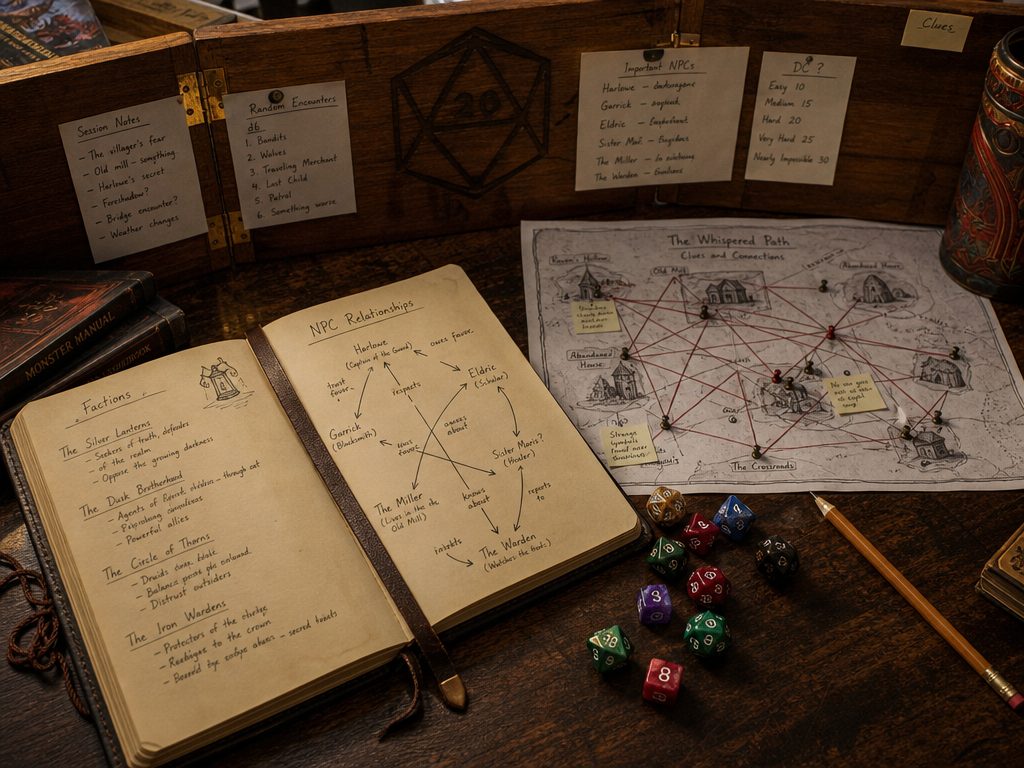
Here’s where things get spicy. Modern game design has borrowed RPG mechanics so heavily that it’s genuinely hard to define what an RPG is anymore. Strategy games like XCOM have character progression. Action games like Assassin’s Creed have skill trees. Even sports games sometimes have career modes with RPG elements.
So does a game with RPG elements count as a roleplaying game? Not necessarily. A game with a skill tree is a game with RPG mechanics – it’s not automatically an RPG. What defines an RPG more fundamentally is the emphasis on role and narrative identity. The player in a role-playing game isn’t just using mechanics – they’re inhabiting a character, making choices as that character, and engaging with a story in a meaningful way.
The Legend of Zelda is a classic example of a game that sits on the edge. Link levels up, explores, and follows a story – but the series has historically leaned more action-adventure game than traditional RPG in its design philosophy. That said, many fans count it as a game with RPG elements, if not a full RPG. These are the arguments that keep gaming communities alive and arguing at 2am.
At Geeknson, we once put it to a vote: “Is Zelda an RPG?” The results were split right down the middle. We’ve accepted that some questions are unanswerable and move on with our lives. Usually onto the next game.
The Role-Playing Video Game Genre: What Game Design Says
From a game design perspective, the role-playing video game genre is typically defined by a combination of game mechanics rather than any single feature. Game developers talk about RPG systems in terms of character customization, narrative branching, stat management, and world interaction. These RPG mechanics together create the feeling of living in a role.
What makes an RPG an RPG, according to game designers, is that the game mechanics serve the role-playing experience. Stats aren’t there to be stats – they’re representations of who your character is. Combat isn’t just challenge – it’s an expression of your build and choices. The game world responds to the player in ways that reinforce the feeling of occupying a role.
By this reading, a game is an RPG when its game mechanic systems are fundamentally oriented around character identity and player-driven narrative. That’s a harder line to draw, but it’s a more meaningful one.
Western RPG vs. JRPG: Two Different Philosophies
The split between western RPG and Japanese RPG isn’t just aesthetic – it reflects fundamentally different ideas about what defines an RPG.
Western RPGs typically emphasize player freedom. You create your own character, make choices that branch the narrative, and play the game in ways that reflect your personal style. Games like The Elder Scrolls series or Dragon Age are built around this philosophy – the player shapes the story.
JRPGs, on the other hand, tend to give you a pre-defined protagonist with their own arc. You’re not creating Cloud Strife – you’re playing him. The RPG elements come from strategic combat, party management, and emotional investment in a tightly scripted story. Both are valid ways to do role-playing games. They just prioritize different things.
Can You Have a Good Game Without Classic RPG Elements?
Absolutely. A good game doesn’t need to be an RPG. Sports games, strategy games, action-adventure games, puzzle games – every game category has masterpieces. The RPG genre isn’t “better” than others; it’s just one way of creating a compelling player experience.
That said, role-playing games occupy a unique space because they’re built around emotional investment and personal identity in a way that most game genres aren’t. When an RPG works well, it doesn’t just feel like playing a game – it feels like living a story. And that’s a pretty special quality.
So… How Do You Know If a Game Is an RPG?
Here’s a quick checklist to help you decide if a game is an RPG:
- Does the player take on the role of a character with a defined identity?
- Does the character grow and change throughout the game via stats, skills, or abilities?
- Can the player make decisions that affect the story or the game world?
- Is there a rich game world with lore, history, and depth?
- Do game mechanics serve the role-playing experience rather than exist independently?
If you’re answering yes to most of these – congrats, you’ve got an RPG on your hands. If you’re answering yes to two or three, you might have a game with RPG elements rather than a full-blown roleplaying game. And if you’re arguing about it in a Discord server at midnight, congratulations – you’ve truly embraced the RPG experience.
Final Thoughts from the Geeknson Crew
At the end of the day, the question of what makes a game an RPG isn’t just semantic – it’s a genuine design conversation about what games are for and how players connect with them. RPGs, in all their forms (tabletop RPGs, video game RPGs, action RPGs, JRPGs, MMORPGs), share a common soul: they invite you to step into a role, make it yours, and see where the story takes you.
Whether you’re rolling d20s at a table with your crew, grinding through a JRPG on the couch, or deep in a 100-hour western RPG on your PC – the spirit is the same. You’re not just playing a game. You’re playing a character. And that’s what makes the RPG genre unlike anything else in gaming.
Now if you’ll excuse us, we have a campaign to run and a dungeon master who’s been waiting suspiciously patiently for the last twenty minutes. That’s never a good sign.