How to run one-shot RPG sessions

Look, we’ve all been there. You’re hanging out with friends, dice scattered across the table, and someone says, “Hey, want to run a quick game tonight?”

Suddenly you’re the game master with four hours, zero prep, and everyone’s eyes on you expecting magic to happen.

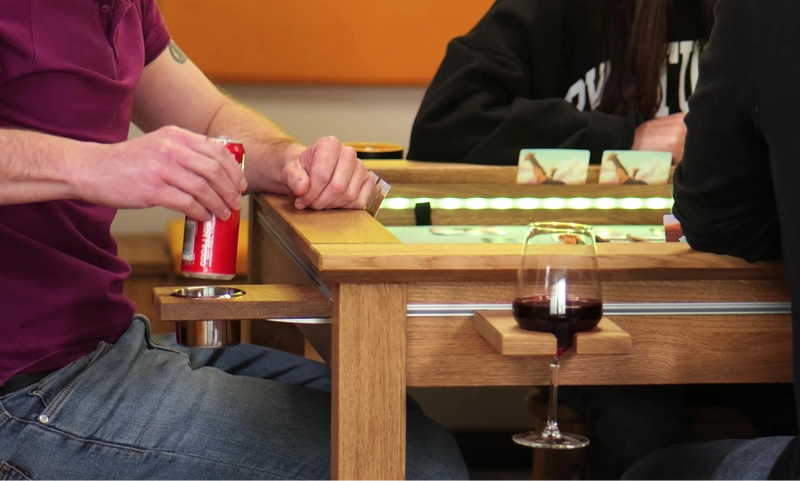
Here at geeknson, we’ve spent countless evenings around our handcrafted gaming tables running one-shots that either crashed spectacularly or became legendary tales people won’t shut up about at conventions. After years of trial and error (so much error), we’ve figured it out. Running effective one-shot RPG sessions isn’t about having the perfect story or the fanciest miniatures. It’s about understanding pacing, knowing when to improvise, and creating memorable moments when the clock’s ticking.

Understanding what makes one-shot sessions different

Let’s get something straight: running a one-shot is nothing like running a campaign.

If campaigns are novels, one-shots are action-packed short stories. The mindset shift here matters, and honestly? It took us embarrassingly long to figure this out.

In our regular campaigns, we can spend entire sessions having characters shop for supplies, debate moral dilemmas with NPCs, or explore every corner of a dungeon. But in a one-shot? Every minute counts. You’ve typically got three to five hours max, and that includes character introductions, rules explanations, and the inevitable pizza break.

The time management reality check

Here’s the harsh truth we learned after our fifth “one-shot” turned into a three-session saga: you need to respect time constraints like they’re actual game rules.

Most tabletop RPG one-shots run between three to six hours, with four hours being the sweet spot. Within that window, you’re looking at roughly:

  • 30 minutes for introductions and setup
  • 2-3 hours for actual gameplay
  • 30-45 minutes for the climactic finale
  • Buffer time for when players inevitably go off-script

We keep a timer visible during our sessions now. Not to stress anyone out, but to maintain awareness. It’s changed everything about how we pace encounters and manage player expectations.

Player expectations and session goals

The biggest mistake we made early on? Treating one-shots like compressed campaigns.

Players coming to a one-shot aren’t looking for deep character development or intricate political intrigue. They want action, memorable moments, and a satisfying conclusion. That’s it.

Set clear expectations before dice hit the table. Tell your players upfront: “We’re starting fast, moving quickly, and wrapping up tonight with a definitive ending.”

Pre-game preparation – building your one-shot foundation

Preparation for one-shots feels counterintuitive at first. You’d think less game time means less prep, right?

  • Wrong.

Less game time means more focused, intentional prep work.

Character creation solutions

Character creation can devour your entire session if you’re not careful. We learned this lesson the hard way when we spent ninety minutes watching new players flip through the Player’s Handbook while our carefully planned heist scenario sat gathering dust.

Pre-generated characters are your best friend here. Seriously. Create four to six diverse pregens that showcase different playstyles:

  • the tactical fighter,
  • the charismatic bard,
  • the sneaky rogue,
  • the powerful wizard.

Include basic personality hooks and motivations. Make their character sheets clean, with abilities clearly marked and frequently-used rules referenced right on the sheet.

If your players absolutely must create their own characters, have them do it before the session starts. Send out character creation guidelines a week in advance, offer to help individually, and set a firm deadline.

When everyone sits down at your gaming table, characters need to be ready to roll.

Adventure structure and encounter design

After running dozens of one-shots at conventions and game stores, we’ve settled on a foolproof structure: focus on two major encounters and one climactic finale.

That’s it.

Two big encounters. Not five. Not a dungeon with twelve rooms. Two meaningful scenes that showcase different aspects of your RPG system, plus the final showdown.

Your first encounter establishes the tone and threat. Maybe it’s combat, maybe it’s a tense negotiation, maybe it’s a chase through crowded streets. Whatever it is, make it engaging and teach players how this game works.

Your second encounter raises the stakes and adds complexity. Introduce a twist, reveal new information, or present a moral dilemma. This is where your story breathes and players get invested.

Your final encounter brings everything together. This is the boss battle, the climactic confrontation, the moment where everything they’ve learned gets put to the test.

Creating clear objectives

Nothing kills pacing faster than players sitting around asking “So… what are we supposed to do?”

Give them crystal-clear goals from minute one. Not vague objectives like “investigate the mystery” – specific, actionable targets like “recover the stolen artifact from the bandit camp before midnight.”

We print objective cards now and keep them on the table. When players get distracted or lose focus, we just tap the card.

It sounds silly, but it works.

Session execution – running the game

This is where theory meets reality, and where most game masters either shine or struggle. Actually running a one-shot demands different skills than campaign management.

Starting strong with in media res

Forget the tavern. Forget the mysterious stranger offering quests. Forget spending forty minutes on character introductions and backstories.

Start your one-shot with action already happening.

Open with the party mid-heist, with guards shouting behind them. Start with explosions rocking their ship. Begin with them waking up in prison cells with no memory of how they got there.

Immediate action creates instant engagement and urgency.

You can always explain context through flashbacks or quick exposition later. Players don’t need to know the entire backstory of the villainous cult before the cultists start attacking – they just need to know “these people are trying to kill you, roll initiative.”

Pacing control techniques

Pacing is everything in one-shots. Too slow and you won’t finish; too fast and players feel railroaded. We’ve developed several techniques to maintain momentum.

Use countdown mechanics. Progress clocks from Blades in the Dark work brilliantly – create a clock with 6-8 segments representing the villain’s plan progressing. Every hour of real-world time, fill a segment. Suddenly players feel the pressure organically without you having to hurry them along.

Cut non-essential scenes ruthlessly. If an interaction isn’t directly advancing the plot or creating a memorable character moment, compress it. Players want to talk to the shopkeeper for twenty minutes about their backstory? “She’s friendly but busy, sells you the health potions, and mentions she saw suspicious figures heading toward the old mill.”

Done. Moving on.

Embrace the narrative handwave. Travel time? “You spend three hours hiking through the forest – anything specific you want to do during that time? No? Cool, you arrive as the sun sets.” Don’t make them roleplay every single moment.

Combat encounter management

Combat is where time either flies or crawls. To keep battles moving in one-shots, try these approaches:

  • limit combat encounters to maximum three rounds unless it’s the final battle – if your players are mopping up minions by round four, just narrate the conclusion and move forward,
  • use simplified stat blocks for minor enemies – you don’t need to track every ability and spell slot for random bandits; give them hit points, armor class, attack bonus, and damage,
  • encourage fast decision-making – give players about 30 seconds to declare actions; this sounds harsh, but it prevents the analysis paralysis that turns a tense fight into a slog.

You’re training them to think tactically under pressure, which actually makes combat more exciting.

Improvisation and player agency

Here’s where we get into the tricky balance. One-shots need structure, but too much structure feels like you’re just reading a story at your players. They need agency – the ability to make meaningful choices that affect outcomes.

Prepare flexible encounters rather than rigid plots. Instead of “the players must infiltrate the fortress through the sewers,” prepare encounters that work regardless of approach. Have material ready for the direct assault, the sneaky infiltration, or the diplomatic negotiation.

When players choose their method, you’re ready.

The trick is modular design. Create encounter building blocks that can slot into different sequences. If players bypass your carefully planned ambush by taking an alternate route, drop that ambush encounter into a different location later.

Nothing goes to waste.

Managing different player types and table dynamics

Every gaming table has different personalities, and one-shots often bring together strangers or casual groups without established dynamics.

Handling rules-light vs. rules-heavy players

Some players love tactical crunch and want to use every ability precisely as written. Others prefer narrative description and barely glance at their character sheets.

In campaigns, these preferences can create friction. In one-shots, you need rapid compromise.

Set ground rules during your introduction: “We’re keeping things moving tonight, so I’ll sometimes make rulings that might not be 100% by-the-book. If you want to try something cool, tell me what you want to accomplish and I’ll tell you what to roll.”

For tactical players, let them shine during your major encounters where proper rule usage matters. For narrative players, give them moments to describe dramatic actions and reward creativity. Balance both styles within your session structure.

Keeping everyone engaged

Nothing’s worse than players checking their phones because they’re bored. Combat spotlight management becomes critical here.

If you’ve got six players and combat takes an hour, each player gets maybe ten minutes of total spotlight time. Make those minutes count.

During other players’ turns, ask questions:

  • “While the fighter charges the ogre, what’s your wizard doing?”
  • “You hear this happening from the other room – what’s your reaction?”

Keep everyone mentally in the game even when it’s not mechanically their turn.

Between encounters, use traveling or preparation time to spotlight different characters. “Fighter, you’re sharpening your blade – tell us about the symbol etched on it. Wizard, what spell are you reviewing in your book?”

Dealing with problem players in short sessions

One-shots attract walk-in players, and occasionally you’ll get someone who disrupts the table. The advantage? You only need to deal with them for a few hours, not months.

Set boundaries early and firmly. During your introduction, establish basic table etiquette:

  • let others have spotlight time,
  • avoid disruptive cross-talk during serious moments,
  • keep side conversations minimal.

If someone violates these boundaries, address it immediately and politely: “Hey, we need to let everyone participate – can you hold that thought until after this scene?”

For truly problematic behavior, take a break and speak privately. Life’s too short to let one person ruin everyone’s one-shot experience.

The climactic finale – sticking the landing

You’ve got about an hour left. Your players are invested, the villain is revealed, and now you need to bring everything home.

This is where average one-shots become memorable experiences.

Recognizing when to push toward conclusion

Developing a sense for timing comes with experience, but there are telltale signs you’re approaching the endpoint.

Check your clock. When you’re about an hour from your hard stop time, start steering toward the finale regardless of where players are in the story. If they’re still pursuing minor plot threads, use an NPC or sudden development to redirect: “As you search the library, the building shakes violently – explosions are coming from the direction of the ritual site!”

Watch player energy levels. If engagement starts dropping or people keep checking the time, it’s finale o’clock.

Better to have a slightly rushed but complete ending than drag things out to no conclusion.

Adapting the final encounter on the fly

Sometimes your planned climactic battle needs adjustment based on how the session has gone.

Players steamrolled through earlier encounters? Add reinforcements or an environmental hazard to the final fight. They’re struggling and low on resources? Remove some enemy abilities or introduce a helpful NPC.

We keep boss stat blocks flexible. Write down the minimum and maximum versions of the encounter, and choose which version to deploy based on the party’s current state. The goal isn’t to kill everyone or make it trivial – it’s to create a challenging but satisfying conclusion.

Providing satisfying closure

Even in a single session, players want resolution. They need to know their actions mattered and the story reached a definitive end point.

After defeating the villain or completing the objective, don’t immediately pack up dice. Take five minutes for the denouement.

Describe the immediate aftermath:

  • the grateful villagers celebrating,
  • the artifact secured,
  • the BBEG’s lair collapsing.

Let each player share one thing their character does after the adventure concludes.

End on a high note with specific call-outs: “Your fighter’s tactical thinking saved the party during the siege. Your wizard’s creative spell use turned the final battle. Everyone contributed to this victory.”

Players remember how they felt when the session ended more than specific combat rolls.

Technical tips for different RPG systems

Not all RPG systems handle one-shots equally well. Some are naturally suited for quick play, others require adaptation.

Rules-lite systems for one-shots

Games like Dungeon World, Index Card RPG, or Honey Heist are designed for fast play. They have minimal prep requirements and streamlined mechanics that keep things moving.

If you’re new to running one-shots, start with these systems to learn pacing without fighting against complex rules.

The advantage of rules-lite systems? New players can jump in with almost no explanation. Character creation takes minutes instead of hours. Combat resolves quickly. These systems remove mechanical barriers that slow traditional games.

Adapting crunchy systems

Running one-shots in D&D 5e, Pathfinder, or similarly complex systems requires different techniques. We’ve learned to modify these games for one-shot play.

Start characters at level 3-5. Level 1 characters are too fragile and boring. Level 10+ characters have too many abilities to track. The sweet spot is middle levels where players have cool abilities but not overwhelming options.

Pre-select spells and abilities. Instead of handing players a level 5 wizard and saying “pick your prepared spells,” give them a curated spell list appropriate for the adventure. Same with class features – highlight the ones most useful for this specific scenario.

Simplify rests and resource management. We often declare “You have one long rest worth of resources for this entire adventure” or provide healing potions liberally. Don’t make players track every spell slot if it’s slowing things down.

Convention and public play considerations

Running one-shots at conventions or game stores adds extra challenges. You’re dealing with strangers, potential time slots enforced by the venue, and varying experience levels.

Arrive early to set up. Have pre-printed materials, extra dice, and your setup dialed in before players arrive. Those first fifteen minutes set the tone for everything that follows.

Use safety tools. X-cards or lines-and-veils discussions are essential when playing with strangers. Take two minutes to establish boundaries before starting. It prevents uncomfortable situations and shows you care about everyone’s experience.

Be prepared for no-shows or late arrivals. Design your one-shot to work with 3-6 players. Have extra pre-gen characters. If someone arrives late, have a quick method to introduce their character without disrupting the game.

Post-session analysis and improvement

The best game masters constantly refine their craft. After each one-shot, we ask ourselves critical questions.

What worked and what didn’t

Within 24 hours of the session, write down notes while everything’s fresh.

What encounters consumed more time than expected? Where did players seem most engaged? What moments fell flat?

We keep a running document of one-shot lessons. Patterns emerge over time. Maybe combat always runs longer than we estimate. Maybe players consistently prefer negotiation to violence. These insights inform future session design.

Gathering player feedback

Ask your players directly. A quick post-session check-in reveals valuable information:

  • “Did the pacing feel right?”
  • “Did you feel like your character mattered?”
  • “What was your favorite moment?”

For convention games or regular one-shot groups, use simple feedback forms. Rate the session on 1-10 scales for pacing, engagement, and satisfaction. Track these scores over time to measure improvement.

Building your one-shot library

Don’t reinvent the wheel every time. After running a one-shot successfully, save everything.

File away:

  • the adventure outline,
  • encounter notes,
  • pre-gen characters,
  • any handouts.

Next time you need a quick game, you’ve got proven material ready to go.

We maintain a folder of “emergency one-shots” – adventures we can run with zero prep at a moment’s notice. Each one includes everything needed: pre-gens, enemy stat blocks, maps, plot outline.

When friends text “can you run something tonight?” we’re ready in five minutes.

Final thoughts

Running effective one-shot RPG sessions is a distinct skill set that every game master needs to develop. Whether you’re testing a new system, entertaining friends for a night, or hosting convention tables, the ability to deliver complete, satisfying adventures in a single session opens up countless gaming opportunities.

The core principles we’ve covered – strong openings, focused encounters, aggressive pacing, flexible structure, and satisfying conclusions – work across systems and player groups.

Like any skill, one-shot mastery comes through practice. Your first attempts might run long or feel rushed, but each session teaches valuable lessons.

Here at geeknson, our gaming tables have hosted hundreds of one-shots over the years. We’ve watched strangers become friends over a single evening’s adventure. We’ve seen hesitant first-timers discover their love for tabletop RPGs. We’ve compressed epic stories into four-hour experiences that players talk about for years.

The beauty of one-shots? They remove the commitment barrier of campaigns while preserving everything that makes tabletop RPGs magical – shared storytelling, dramatic moments, tactical challenges, and unforgettable characters.

Master the one-shot format, and you’ll always have a way to share your passion for gaming with others.

Now grab your dice, gather your players, and run that one-shot you’ve been thinking about.

Time to make some memories around the gaming table.

5 thoughts on “How to run one-shot RPG sessions”

Leave a Comment

Your email address will not be published. Required fields are marked *

Need Help?
0
    Your Inquiry
    Your inquiry is empty

    Enquire Now